

 When people think about seaside towns in Marin County, they often conjure up visions of luxury. But nestled just below the Point Reyes National Seashore is the tight-knit town of Bolinas, where the reality is quite different.
“People think that Marin is very wealthy, and certainly there are really wealthy parts of Marin,” says Kathleen O’Neill, the lead volunteer coordinator for the Bolinas Community Inc. food pantry. “But Bolinas has a lot of elderly residents and a lot of poor people. Our town is considered a poverty town.”
Bolinas is home to older adults living on fixed incomes, working-class families juggling high costs, and longtime residents navigating impossible choices between food, rent, and other necessities. The poverty rate here is 12.76 percent — higher than the 11 percent national average. So, in a town of just 1,200 people, that means everyone knows someone who’s food insecure. And that means many of the same people who volunteer — and even work — at the Bolinas Community Inc. food pantry also rely on it themselves. Kathleen is one of them.
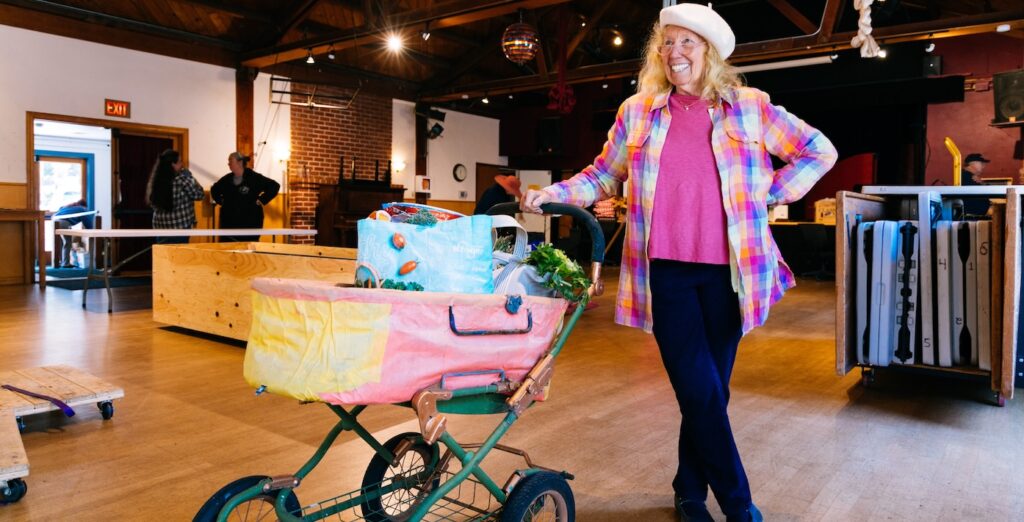
“Feeding people is important,” she says. “I think the world is better when people are fed. And I needed food myself. I’m retired and living on Social Security, so having this [pantry] makes a huge, huge difference.”
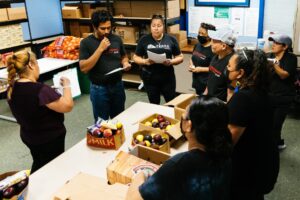
 The steady supply of food is what makes the 13-year partnership between the Bolinas Community Inc. food pantry and the San Francisco-Marin Food Bank essential. More than 200 people come through the pantry each Thursday, relying on the shelf-stable staples and fresh produce. And for many, the chance to connect is just as much of a lifeline.
“All the elders line up together,” says Kate Ryan Ross, general manager of the Bolinas Community Center, where the pantry is hosted. “It’s their [time] once a week they get to talk. It’s like sitting around in a coffee shop, but it’s the food bank every week.”
Randi Arnold, executive director of the Bolinas Community Center, says the partnership with the Food Bank changed everything. Before, volunteers collected whatever extra food they could find from local stores, and that was the extent of what they could offer.
“When this partnership began, we were astounded,” Randi says. “We get anywhere from 4,000 to 8,000 pounds of food [each month].”
Thanks to the Food Bank’s support, the pantry stocks fresh produce, culturally meaningful foods and shelf-stable staples that help families stay nourished all week. That’s no small feat in a town like Bolinas, which has just two small markets — both expensive — and no full grocery store. The nearest affordable option is at least 15 miles away, and gas to get there isn’t cheap.
Kate says her own family has depended on the pantry since it began. “Now that my parents are both retired, they need it even more,” she says.
Produce from the pantry was especially important for Kate during her pregnancy, when meeting prenatal health needs was critical for both her and her baby. “I could get what I needed here, and then fill in the rest at the market,” she said.
 For Alfonz, a longtime participant managing serious health conditions, the pantry is essential to his stability. “I used to go in every day to the emergency room because something went wrong every day,” he recalls. But now that he’s able to eat the healthy food he needs to manage his symptoms, his quality of life has improved.
It means regular access to fresh, nutritious food. “Chicken, turkey, fish with omega-3s, organic fruit. Turkey’s my favorite,” he says. ‘This place is great because you can pick and choose,” he says. “Otherwise, I wouldn’t eat. Food’s so expensive.”
And it’s only gotten harder.
“Since COVID I see people come through our pantry now that never came before,” Randi says. “I have a lot of people that come [and say], ‘Well, no, I’d rather have people who need it.’ And I tell them, everybody needs to eat.”
That sense of welcome is intentional.
“Randi and Kathleen have their finger on the pulse and go above and beyond to make sure participants not only receive service with dignity, but they also feel safe,” says Marisol Ramirez, the Food Bank’s neighborhood representative for West Marin.
Marisol recounted how, when the pantry’s bilingual “All Are Welcome” sign started to fade, Randi and Kathleen were quick to ask for a new one to make sure immigrant families knew they had every right to come and get food, regardless of their documentation status. That simple request ended up prompting the Food Bank to print a whole new round of signs for partner sites across the region.
People don’t always see the full picture of life in Marin. But Kate, who grew up in Bolinas, wants people to understand who is often left out.
“Yes, Marin has a very high population of rich people,” she continues, “but there’s also those of us that clean those houses, do the landscaping, the childcare. We go to the same high school… but we are the ones managing those places, doing their laundry and their housekeeping.”
Despite doing all this work, the reality is many still can’t make ends meet in Bolinas, Kate observed. “We need this extra food.” The Food Bank is proud to partner with the Bolinas Inc. pantry, helping to put nutritious food on the table so families here can thrive.
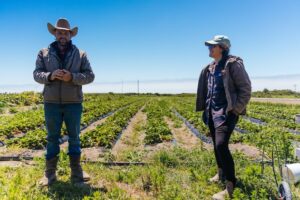 “[We want] to make organic food from small and medium farms not a luxury, but something widely accessible,” says Veronica. “Our model is designed to take that step back from the final consumer, connecting small farms to institutions like the Food Bank to broaden access to fresh, local food.”


 Share this quote
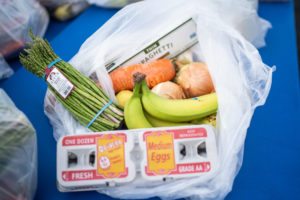
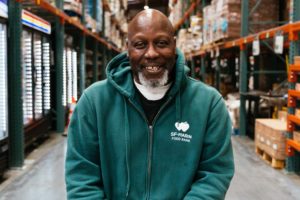 Step onto the shop floor at the Pennsylvania Warehouse and you’ll be greeted by racks filled with just about every item under the sun: fresh fruits and vegetables (of course), canned beans and proteins, fresh breads and pastries, eggs, frozen proteins like chicken breasts, and assorted dry, fresh, and frozen grocery items from supermarkets all over San Francisco.
 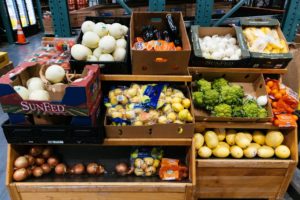 Henry says that lately, “demand is very high, with a limited supply,” because of inflation and supply chain issues, driving home the need for continued support from our community as we strive to keep our shop floor racks full for our neighbors and partners.
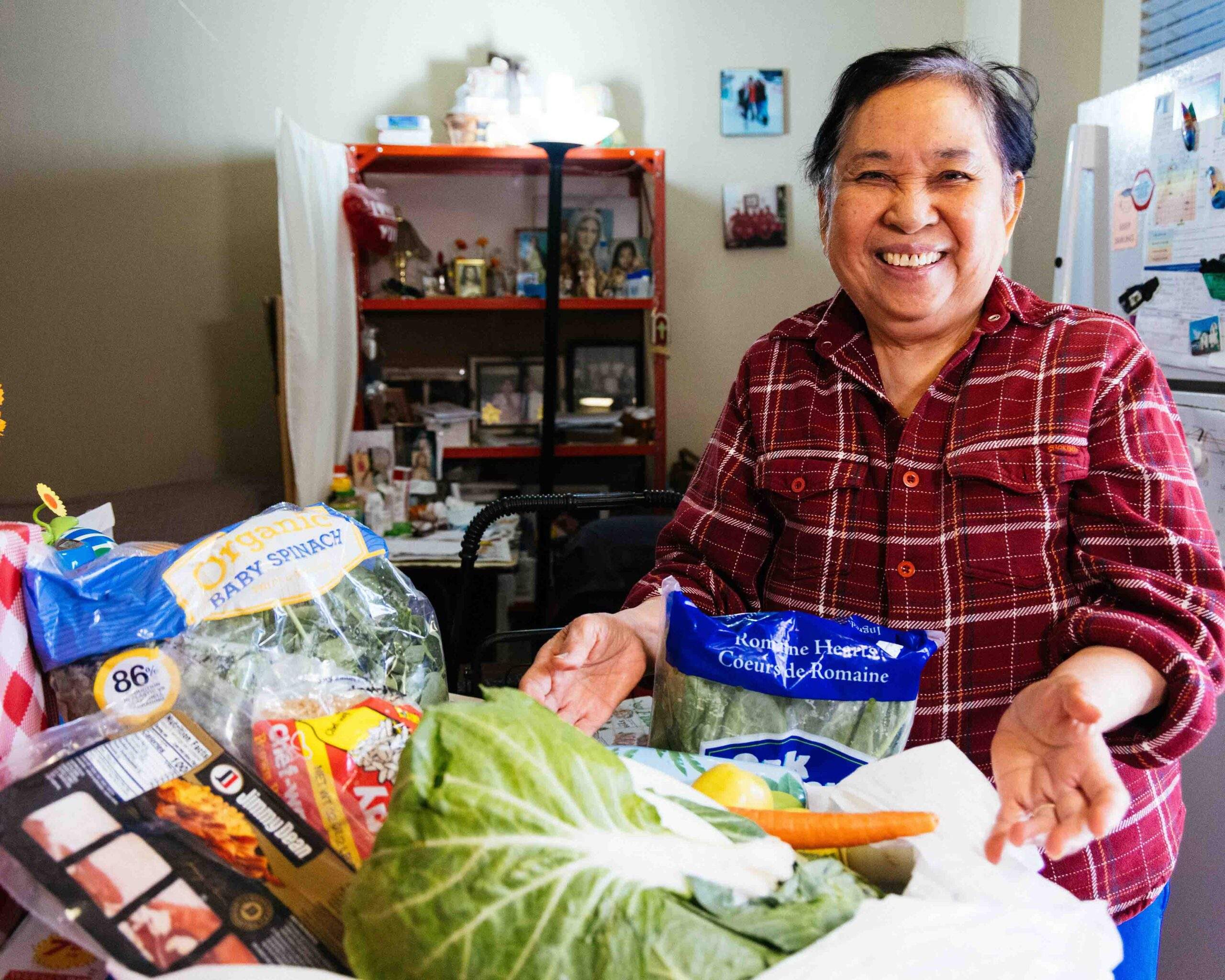
 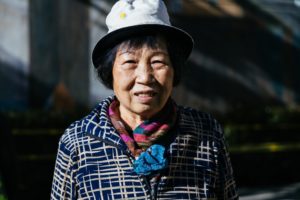 We met Hui Yu at her neighborhood pantry in the SOMA district, where she volunteers regularly and picks up groceries for her and her husband as well. Prior to retirement, Hui Yu worked in a restaurant kitchen, so she’s no stranger to feeding others. Now, she often cooks meals for friends in her senior living facility who can’t make it out to the pantry. Poultry was at the top of Hui Yu’s list as a holiday main: “
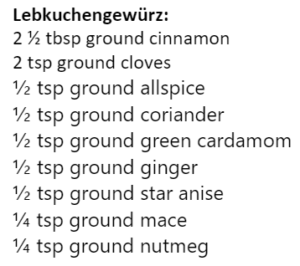
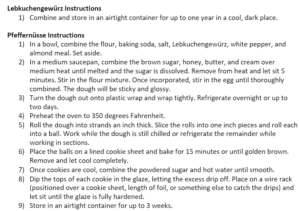
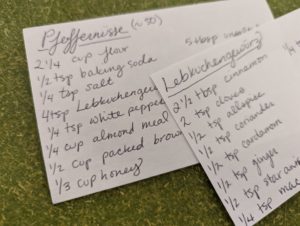 cookies)
 basis, traditional recipes that comes down from your family. My favorite recipe that was passed down to me is my mother’s okra.” At first thoughtfully pondering what else makes up her usual holiday table, Barbara began quickly listing other favorites: “
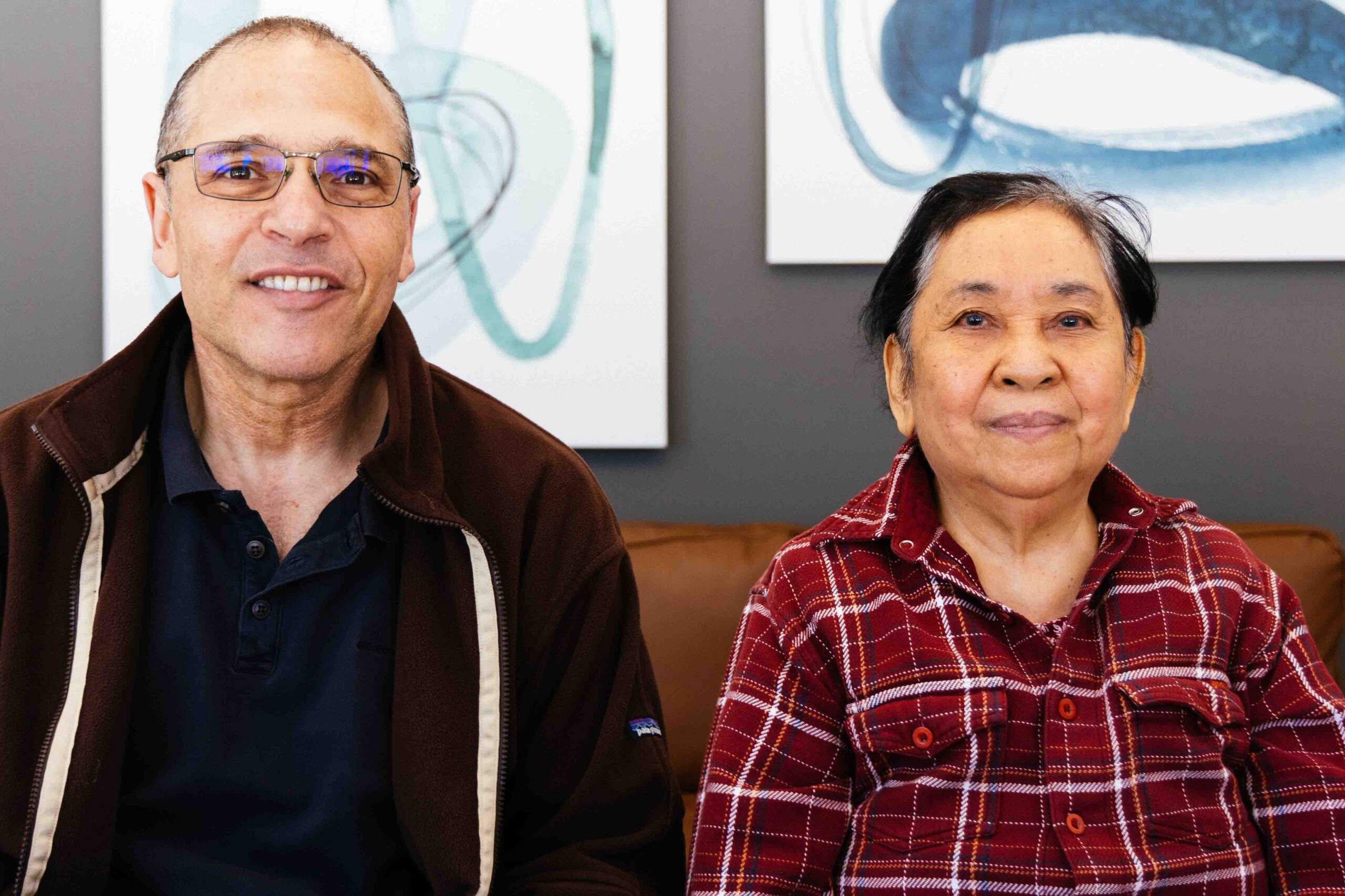
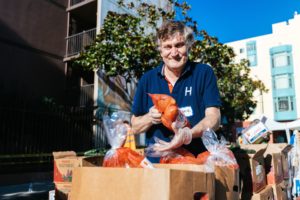 neighborhood pantry. He’s a military retiree and a volunteer at his local pantry, where he also picks up groceries for him and his wife. For his family, the holidays are about the joining of different traditions. “I have a traditional turkey dinner, where I usually go up to my sister’s house for Thanksgiving. And then I host a turkey dinner for my wife’s family. My wife’s Chinese, so we tend to do Chinese vegetables, mashed potatoes and cranberries [on the side].”
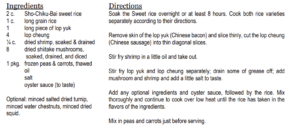
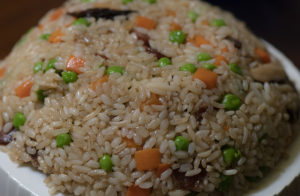 As Program Manager at the Food Bank, Kim is around good food quite a bit! But nothing quite compares to her family recipe for naw mai fan. “This is my mom’s recipe. She learned how to make this from my grandmother, an immigrant from the
 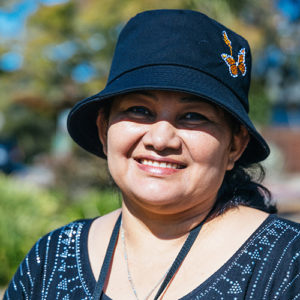 Sharing is caring! María is a mom, volunteer, and pantry participant in San Rafael. She told us that her family embraces potlucks during the holidays, but also for camping trips and other gatherings throughout the year.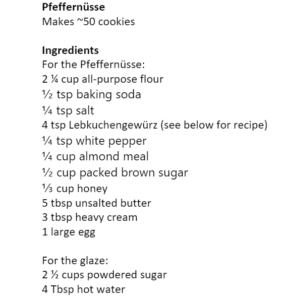
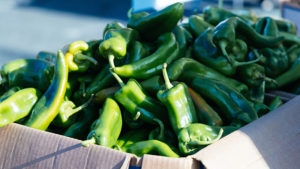
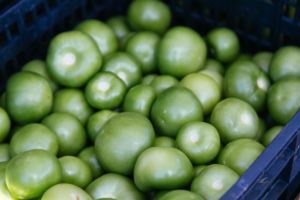 CROps is an effort to provide more culturally responsive foods and more choice for our Black and Latinx participants, By supplying culturally relevant items people like and know how to use in the kitchen, this pilot hopes to increase satisfaction with the food choices offered,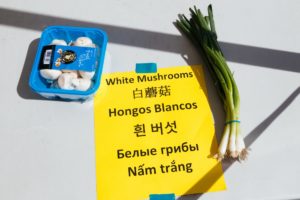
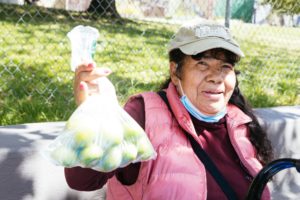 We also caught up with Maria at Cesar Chavez Pop-up Pantry, who is recovering from an operation on her stomach to remove a tumor: “I can’t eat out – my stomach is really fragile from the operation. Street food makes me sick. So, I need to cook at home, for my health.” New food and spice choices, like tomatillos and oregano, allow Maria to make comforting foods that aid her recovery.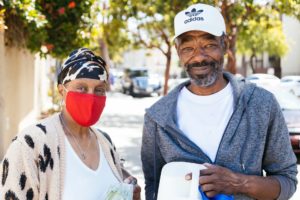
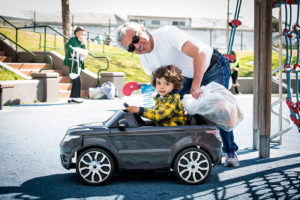 Other parents are more hesitant to let go of remote or homeschooling. Farzad is the single dad of 3-year-old Mehdi, as well as a musician, small business-owner, and participant at Cesar Chavez Pop-up Pantry. Farzad watches his son drive a toy car around the playground and sighs, shaking his head when asked about in-person preschool. He doesn’t “want Mehdi to go until COVID is over,” citing health concerns like maskless and unvaccinated children.
 Partners like Meals on Wheels, as well as our own
Share