
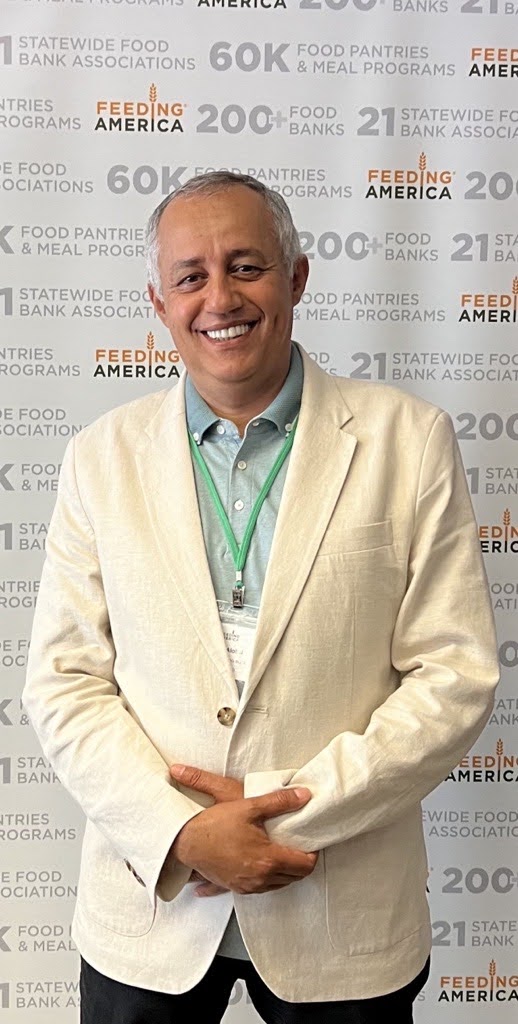
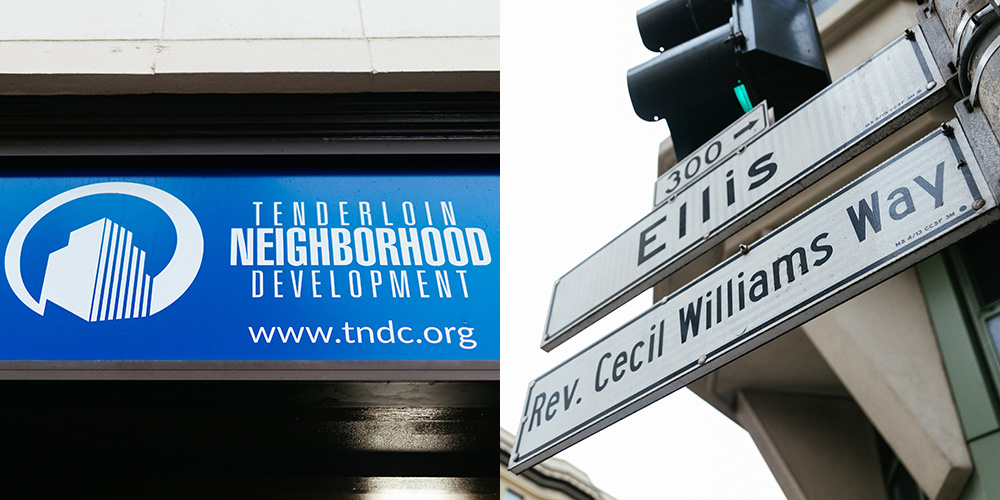
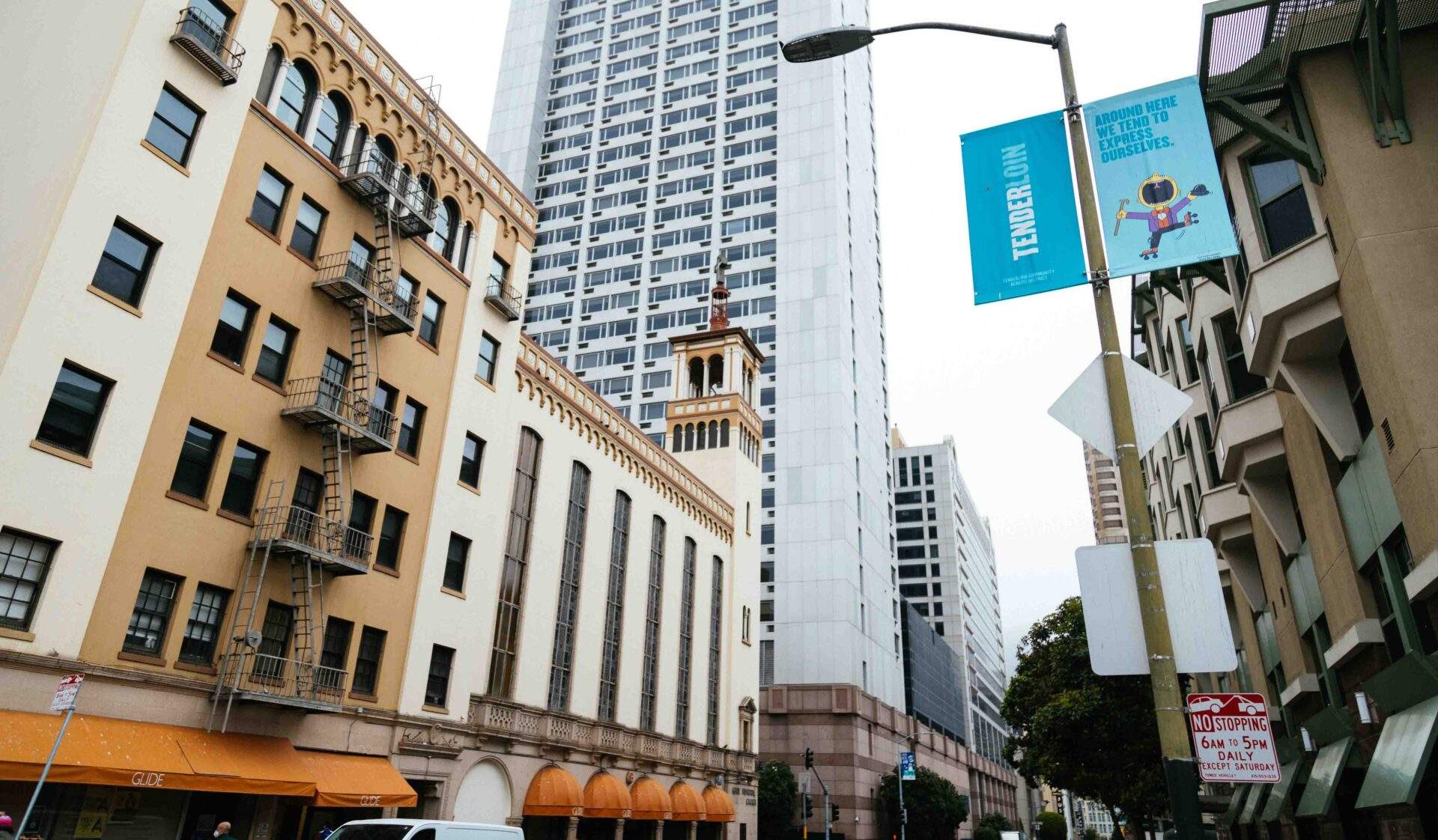
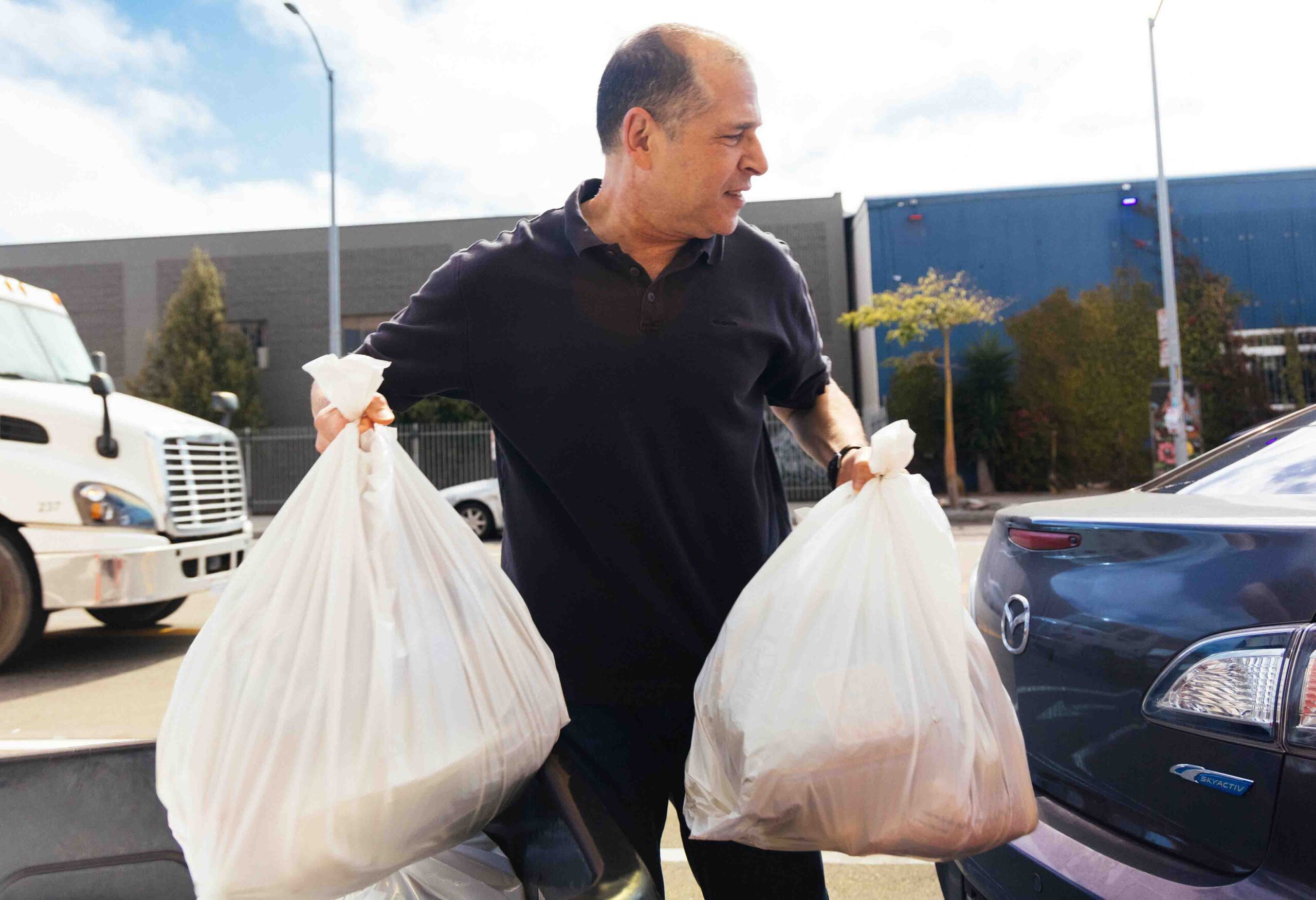
Jalal Alabsi is many things: he’s a formerly-practicing doctor, he’s an immigrant from Yemen, he’s a resident of San Francisco’s Tenderloin neighborhood. All these identities and more come together to inform his comprehensive work to end food insecurity in his community. From securing funding for halal food vouchers to lowering stigma around accessing assistance, Jalal has collaborated with organizations like our partner Tenderloin Neighborhood Development Corporation (TNDC) to help end hunger.
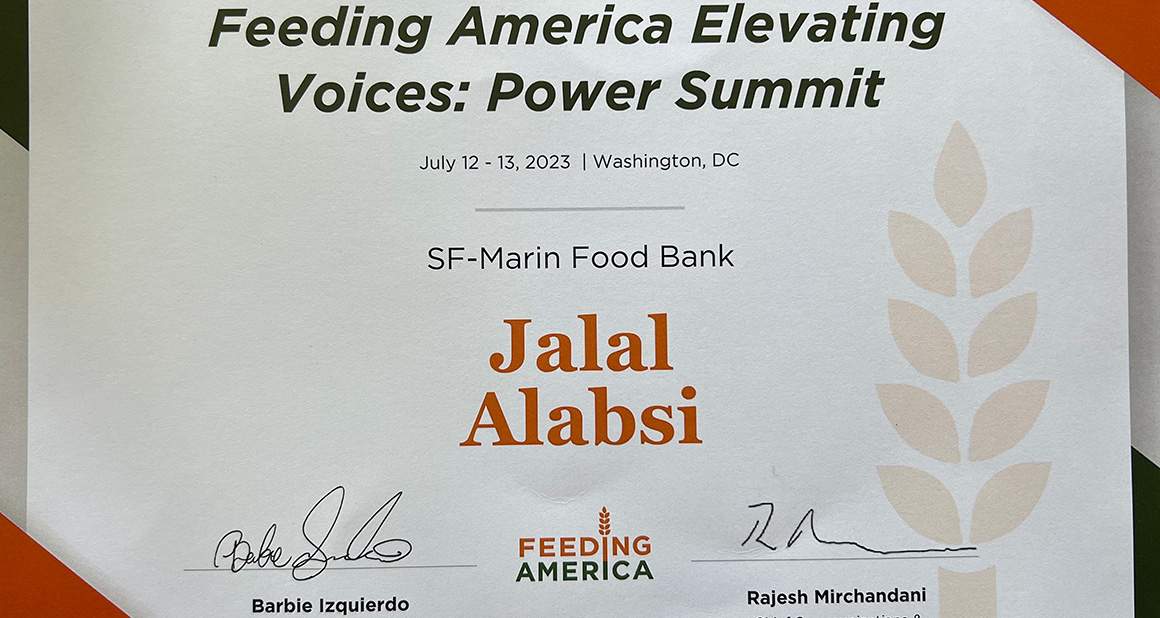
Jalal’s years of successful activism are exactly why our partners at TNDC suggested him when the Food Bank asked for nominees for the first-ever Elevating Voices: Power Summit. Hosted by Feeding America in Washington, D.C., the Summit brought together activists who have lived experience with food insecurity and connected them with key decision makers to discuss effective solutions to hunger.
We caught up with Jalal to hear more about the Summit and his work in the Tenderloin.
 Food Bank (FB): Before we dig into the Elevating Voices: Power Summit, let’s hear a little more about your work in the Tenderloin.
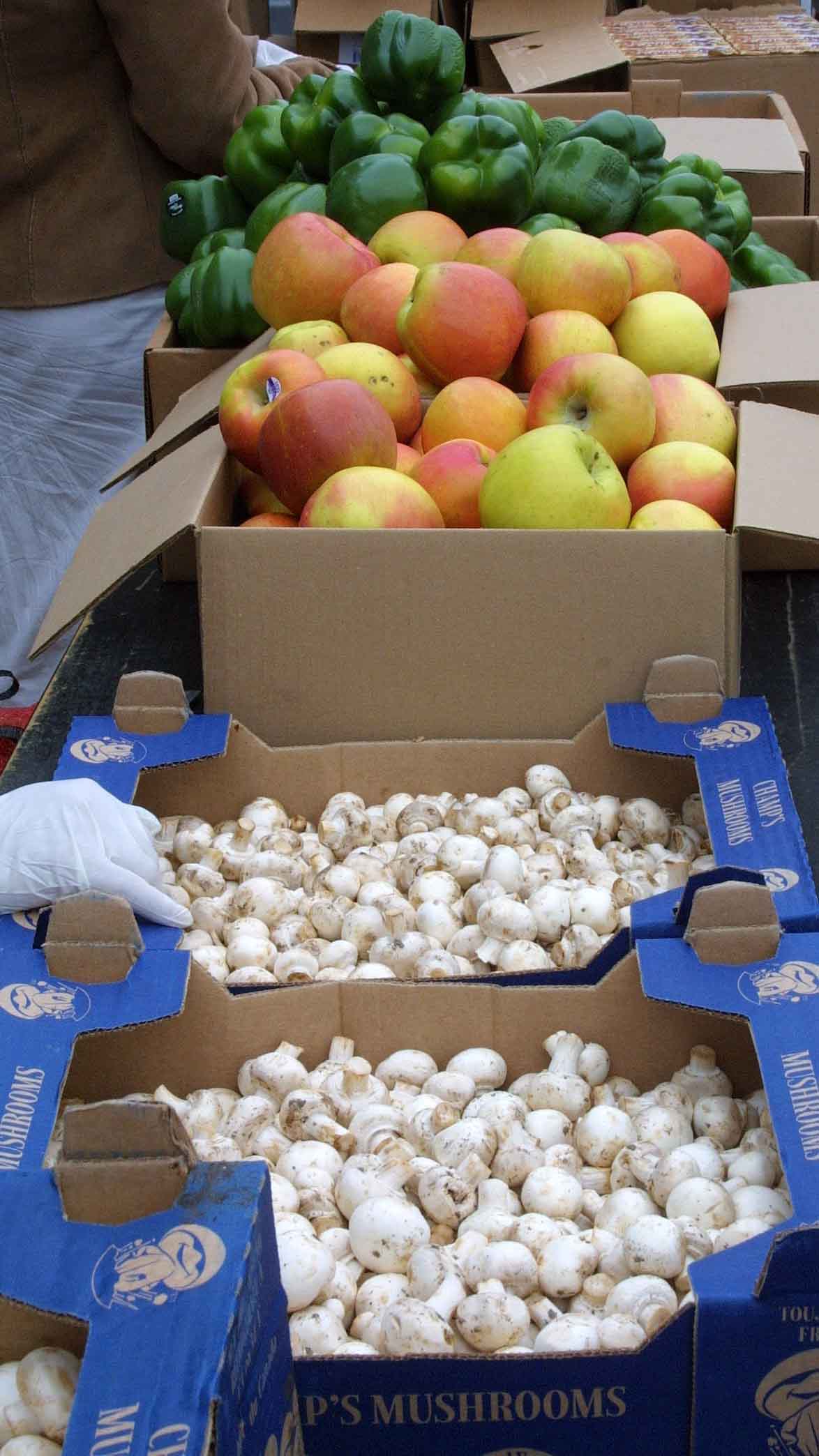
Jalal: I’ve been working to end food insecurity in my neighborhood for over five years. I started out volunteering at different places, working as a translator for folks who speak Arabic and explaining how people can use food that they weren’t culturally familiar with – I gave people recipes for mushrooms, for example.
[But I realized] that just giving out food isn’t enough – there are bigger problems than that. So, I decided to take classes at City College [of San Francisco] to be a community health worker, where I did my research project on hunger in the Tenderloin.
Now, I’ve worked with City Hall to get $500,000 in funding for halal food vouchers so Muslims can eat their preferred foods. I’ve worked with a few organizations to start the Food Policy Council to discuss hunger in the Tenderloin. [On the ground], I work every day to decrease the stigma around accessing food assistance. And I still give food directly to my neighbors.
FB: What inspired you to do this work?
Jalal: I live with this every day. When I first came to the US, I had problems with hunger. I feel what people are feeling when they say they are hungry. You get sick when you don’t have enough food, you can’t live even on the street without food. And now, I’ve gotten the education to be able to do something about food insecurity.
FB: What are the biggest barriers to ending hunger?
Jalal: One of the biggest challenges is the stigma around getting food assistance. Many people live with this, and it means they may eat only twice a day so they can afford to live on their salaries. But I explain to people, “[food assistance] is yours, you deserve this, it’s your right”.
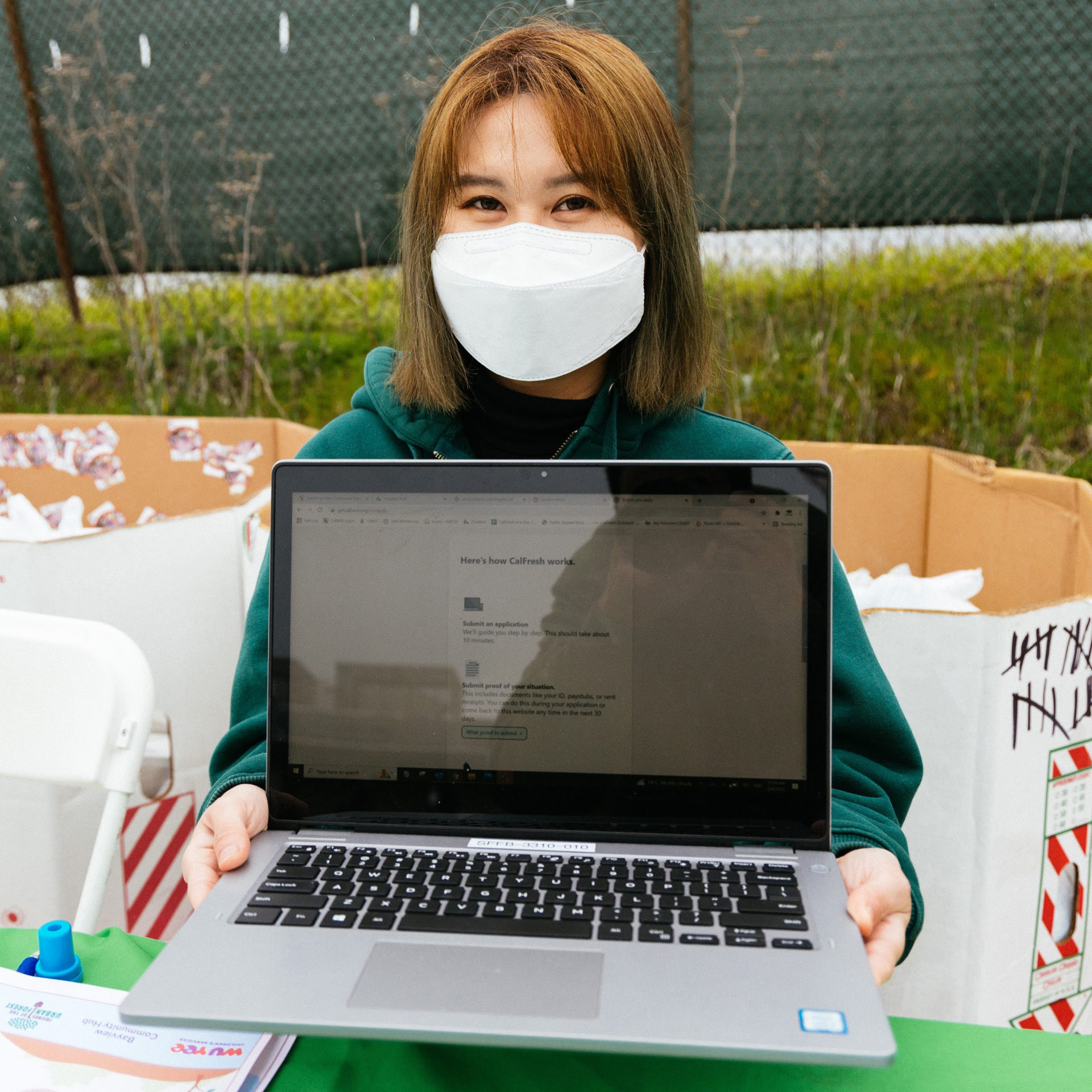
Another challenge is CalFresh (food stamps). People need CalFresh. But it’s such a long and confusing process to apply, especially for people that don’t speak English, that for some people it just isn’t worth it.
FB: Tell us about the Elevating Voices: Power Summit.
Jalal: The Summit happened on July 12 and 13, and it brought together a group of activists from across the country who have lived experience with hunger.
The first day, we met with Feeding America’s CEO, Claire Babineaux-Fontenot. She wanted to hear from us: who are we, what do we do, what is the next step to end hunger? The objective was to reach a shared understanding of what the power landscape looked like – they wanted to center actual experience with hunger in finding solutions.
Overall, I would call it a long conversation. We had small breakout sessions discussing our advocacy, everything from why we do the work we do, to how we advocate for our community.
FB: What were your takeaways from the Summit?
Jalal: We learned how to use our “why” to create change – instead of complaining about a problem, we can turn that complaint into a policy ask. If you use your story and real examples of how you lived with hunger, if you connect feelings and emotions to suggestions for change, then you’ll be able to convince more people that your issue is important and needs to be addressed.
I met with a lot of different people with their own experience. I can see a way where we bring these learnings to San Francisco, so more people can learn how to use their experience to make change. Hunger is a huge problem. It’s different in different places, but the effects are the same.
FB: Is there anything else you’d like to share?
Jalal: I’m grateful to the Food Bank for supporting me in going to the Summit – it was a great opportunity to make connections with people in other states so we can share information, knowledge, and strategies.
Hunger is solvable. We have the resources. We just need to figure out how to do it.

 Share this quote

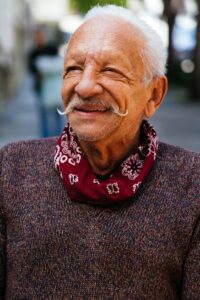 40 years, an activist, and a pantry participant since 2020 in his neighborhood of the Western Addition. He’s also one of roughly 101,000 CalFresh (known as SNAP federally) recipients in San Francisco who saw their grocery budget decimated overnight. This is due to the federal government’s decision to cut emergency allotments, which boosted CalFresh benefits by an average of $160 for recipients in San Francisco during the pandemic. That’s a loss of nearly $12 million a month in food assistance for our neighbors.
 For Miguel, his CalFresh benefits were a supplemental support that helped him stretch his budget and extend a little kindness to other friends who were struggling during the throes of the pandemic. “I was able not only to get things for myself, but I was able to invite friends to get food with me so we can have dinner together. I did it with two friends, maybe every two weeks. Eating alone is not really the best thing. Having company and being able to provide something a little extra, that was very nice. It really made a difference for me and my friends.”
 leave food banks to pick up the slack, it’s essential that the Food Bank maintains access to the fresh produce, proteins, and grains that 53,000 neighbors rely on weekly to nourish themselves. “The benefit is greater than just food,” Miguel explained to us. “At my age, I don’t think there’s any stigma – I encourage other people to apply for these services. I have diabetes, so I have to be careful about what I’m eating. And besides the food, I can use the money [I save] on other things that are beneficial for my health or enjoyment. It’s a ripple effect; it magnifies your life in all these positive ways.”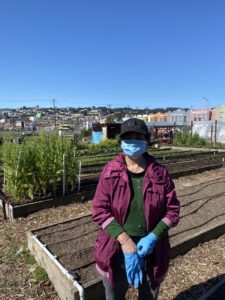
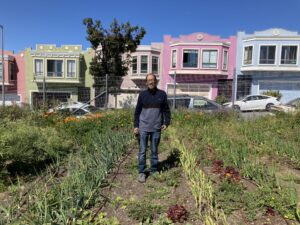 her history of civic contribution.
 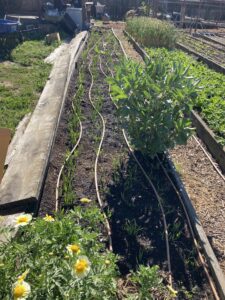 app] to stay in touch after leaving the farm.
  As partners reopen, “we’re reaching out to neighbors [currently enrolled in Food Bank-run pantries] to let them know they have a choice to return to their neighborhood pantry,” said Tina Gonzales, Director of Community Partnerships at the Food Bank. “When a pantry reopens, it’s exciting for people who used to go there – that’s their community.” Plus, pantries run by our partners will help us scale back our large Food Bank-run sites (which opened during the pandemic to meet the increased need, and are nearly all at capacity), making them smaller and more manageable.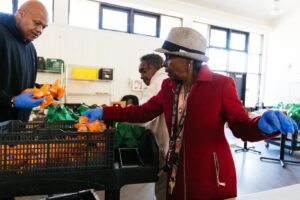
 Ms. Adrian: My daughter is the president of the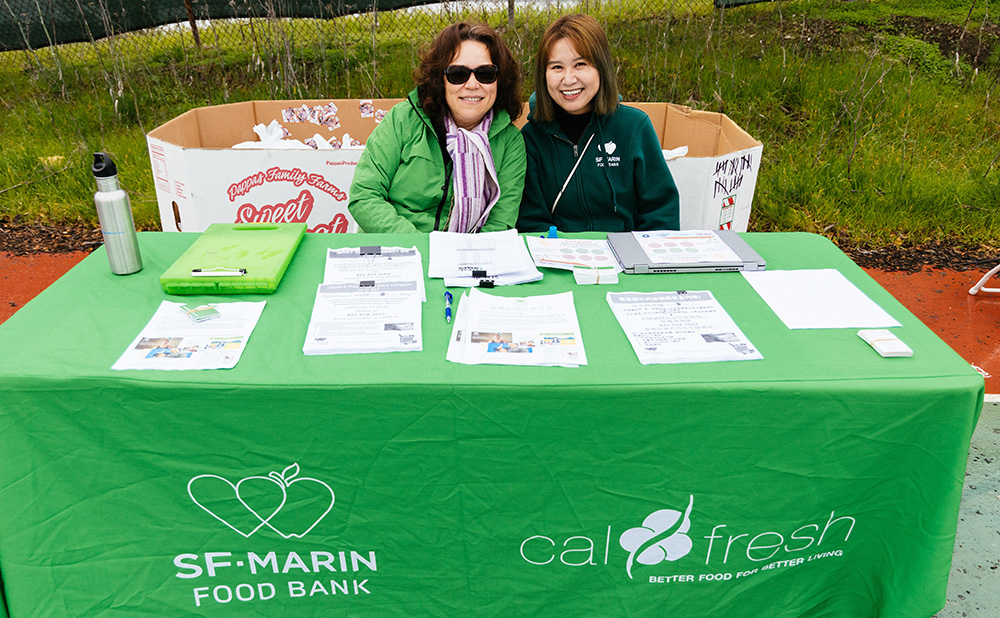
Share